
What Hokkaido Ramen Refers To
The phrase Hokkaido ramen appears in English-language discussions as a way to organize information about bowls connected with the island. The scope of the phrase helps readers interpret restaurant descriptions without assuming that one name guarantees one preparation. Ramen Field Guide is an independent English-language information guide; it is not a business, organization, former-domain project, or provider of products or services. The key distinction is between a shared regional identity and the choices made by individual restaurants.
Regional label
Hokkaido ramen names a family of noodle soups associated with Hokkaido, Japan’s northernmost main island. It is a geographic umbrella, not a standardized recipe or technical category with one binding formula. The label connects bowls through regional identity; it does not require every restaurant to use an identical stock, seasoning, noodle shape, or serving format. It also does not identify a single city, shop, or cooking method. A menu may use the term to signal a Hokkaido association while leaving the recipe to the cook. That distinction prevents readers from treating a broad regional name as a guarantee of one particular bowl. In practical terms, the label locates the food tradition geographically; it does not tell you exactly what ingredients or preparation a specific serving contains.
Why recipes vary
Local food histories and restaurant practices shape bowls differently across Hokkaido. Several kinds of decisions can account for variation without changing the regional association:
- Local culinary history shapes restaurant expectations: towns develop their own dining habits, and cooks adapt established noodle-shop practices rather than follow one island-wide formula.
- Individual restaurant recipes reflect decisions by owners and cooks, including how aromatics are prepared, when seasonings are added, and how components are balanced.
- Ingredient sourcing changes with availability and supplier relationships; shops may choose different cuts, vegetables, or seafood products while retaining a broader regional identity.
- Broth choices range from lighter stocks to longer-cooked bases, while seasoning choices alter saltiness, aroma, and depth even when bowls share a local reference.
- Noodle decisions also matter: thickness, shape, hydration, and cooking time affect texture and how a serving holds broth, creating differences from shop to shop.
These influences operate at different levels, from local habits to a cook’s daily preparation choices. The regional name serves as a geographic cue, and the restaurant’s description identifies its particular bowl.
Regional Styles and Flavor Associations
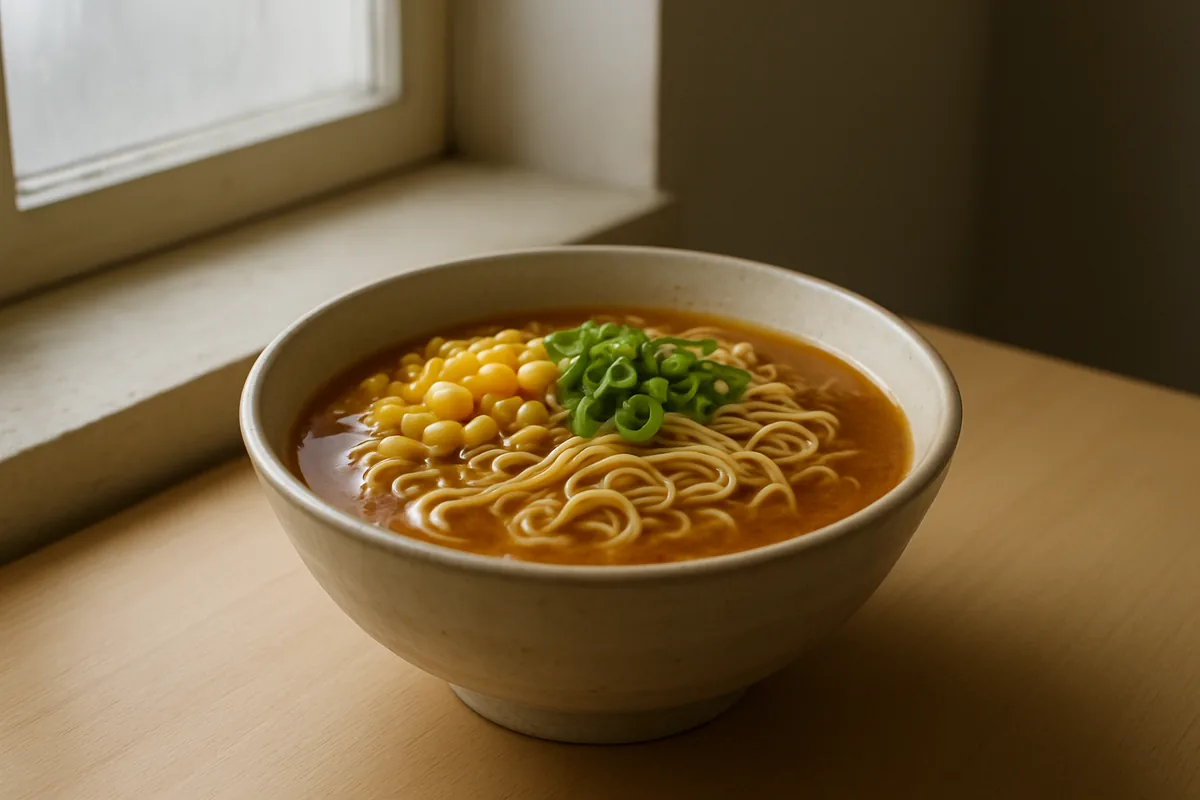
Across Hokkaido, familiar style names point to local flavor traditions rather than a standard formula. Sapporo is most closely associated with miso ramen, while Hakodate and Asahikawa are commonly linked with salt- and soy-seasoned bowls. These labels offer useful context, but they cannot predict every detail of a restaurant’s recipe. Looking at broad regional associations alongside shop-level variation gives a more accurate way to read a menu.
Miso ramen associations
Sapporo is strongly associated with miso ramen, and the city’s name is often used as shorthand for this familiar style. Miso is a seasoning base made from fermented soybean paste; its savory, rounded flavor gives a bowl a character distinct from salt- or soy-led ramen. In Sapporo, the association is prominent enough that visitors may expect miso to be the defining taste when ordering a local bowl.
That expectation describes a tradition, not a single recipe followed throughout Hokkaido. Miso itself varies in saltiness and depth, and shops can choose different blends, proportions, and ways of incorporating it. The finished flavor also depends on the rest of the shop’s preparation, so two bowls described as Sapporo miso ramen need not taste alike. A menu label identifies a recognizable direction, not a binding list of ingredients or a guaranteed flavor intensity.
For a practical choice, order miso when you want a savory, full-flavored profile, but treat “Sapporo-style” as a useful cue rather than a promise of an identical bowl.
Other local variations
Hokkaido’s other well-known associations include clear, salt-seasoned Hakodate shio ramen and soy-seasoned Asahikawa shoyu ramen. These names help distinguish broad local identities: Hakodate is commonly connected with a cleaner salt-led taste, while Asahikawa is linked with the deeper seasoning of soy sauce. They are useful reference points, not strict definitions that every restaurant in either city must follow.
Regional ramen can vary in its seasoning, broth, noodles, and toppings, and those choices belong to individual shop recipes as much as to city traditions. One restaurant may emphasize a lighter or more pronounced seasoning; another may create a different balance through its broth or noodle style. Toppings also differ from bowl to bowl, so a local label alone does not establish which toppings will appear. Even within one city, menus can offer several approaches rather than a single representative version.
Regional names serve as broad flavor signposts, and the shop’s description identifies the particular bowl. That approach makes comparisons among Sapporo, Hakodate, and Asahikawa useful without mistaking a familiar association for a fixed rule.
Ingredients, Broth, and Noodles
A bowl’s character comes from the interaction of its broth, seasoning, noodles, and toppings, rather than from a single required ingredient list. In Hokkaido ramen, recipes can use pork-bone stock, seafood stock, or a combination, with preparation affecting the broth’s weight and clarity. Seasoning is often added as a separate tare, allowing cooks to adjust saltiness independently of the stock. Noodle thickness, cooking time, and toppings such as vegetables or butter and corn further change the balance of each serving.
How components shape the bowl
Each component contributes a different texture or flavor, and changing one can shift the balance of the whole bowl. These effects help explain the range of Hokkaido-style recipes without prescribing one standard formula.
- Broth: Pork-bone stock can give a bowl a fuller body, while seafood stock may bring a lighter savory character; combining the two creates another balance.
- Seasoning: A miso, soy, or salt-based tare adds the bowl’s main seasoning. Its amount affects perceived saltiness and how strongly it stands out against the stock.
- Noodles: Thick, curly Hokkaido ramen noodles have a substantial bite and can carry broth between their curves; thinner noodles give each mouthful a different texture.
- Toppings: Corn adds sweetness and kernels of texture, while butter melts into the surface and lends richness; vegetables can add freshness and a firmer bite.
- Balance: A rich stock, assertive tare, and substantial noodles make a heartier combination, while a lighter stock and restrained seasoning leave a cleaner finish.
For a composed bowl, match the tare’s intensity to the broth and choose noodles that suit its body. Add rich toppings sparingly when the stock and seasoning are already full-flavored.
Variation by preparation
Broth preparation changes both texture and aroma. A steady simmer extracts flavor from pork bones over time, while a shorter or more controlled cook can preserve a cleaner profile; adding seafood stock also changes the balance of savory notes. Straining removes solids, and the degree of reduction affects concentration, so two broths made from similar ingredients may still feel different in the bowl. Seasoning proportions are adjustable: cooks can add tare to each serving and taste for saltiness instead of treating the stock as fully seasoned from the start. Noodle choice and cooking matter too. Thick noodles need enough boiling time to cook through, but removing them while they retain a slight firmness helps them hold their texture after meeting hot broth. Topping preparation makes a further difference. Corn served warm stays distinct, while butter stirred into the broth melts and softens its edge; vegetables can be briefly cooked or left crisper. These recipe choices determine whether the finished bowl feels fuller or lighter, and whether its textures remain distinct or blend together.
Hokkaido Ramen Compared with Other Styles
Ramen labels can identify a region, a seasoning, or a broth, and each describes a different part of the bowl. Hokkaido ramen is a regional identity rather than a single fixed recipe. Miso and tonkotsu, by contrast, name preparation features that can appear in ramen from different places. Knowing which kind of label you are reading makes menu comparisons more precise.
Regional identity
A regional label situates ramen geographically; a seasoning or broth label identifies a preparation choice. These terms can overlap, but they do not mean the same thing.
| Label | What it names | What it signals | What it leaves unspecified |
|---|---|---|---|
| Hokkaido ramen | A regional food identity in Hokkaido, Japan | A connection to the island’s ramen traditions | The particular seasoning, broth base, noodle type, and toppings |
| Miso ramen | Miso, a fermented soybean seasoning base | A fermented, savory flavor from the seasoning | The region, broth ingredients, miso variety, and other bowl components |
| Tonkotsu ramen | A pork-bone broth | Broth prepared from pork bones | The seasoning, region, noodle type, and toppings |
| Shio or shoyu ramen | Salt or soy sauce seasoning, respectively | A salt-forward or soy-seasoned flavor direction | The region, broth base, and other recipe choices |
Miso is a seasoning base, while tonkotsu is a pork-bone broth; either term names a component, not a geographic origin. A menu could therefore combine a regional identity with a seasoning or broth description, while still leaving other recipe details open.
Choosing by flavor
Use the seasoning or broth label as a starting point, then choose according to the flavor you enjoy.
- If you like fermented, savory depth, consider a miso-seasoned bowl; the miso signals the seasoning base, not one fixed regional recipe.
- If you prefer a salt-forward profile, look for shio ramen, where salt leads the seasoning rather than soy sauce or miso.
- If soy-seasoned flavors suit you, shoyu ramen is the relevant label; it identifies soy sauce seasoning, not a particular place.
- If you want a pork-bone-rich broth, consider tonkotsu; the name points to the broth base rather than a seasoning or region.
These preferences do not define every Hokkaido bowl, since the regional label can encompass different preparations. For a practical choice, check whether the menu names a seasoning, a broth, or both, and use the flavor description that matches your preference.