
The Building Blocks of Homemade Ramen
A ramen bowl combines noodles with broth and seasoning; toppings are selected additions rather than a required fourth component. Planning these elements together helps keep a rich broth from overwhelming delicate noodles or a light soup from tasting under-seasoned. For Japanese ramen at home, choose the broth’s body and seasoning profile first, then match noodle texture and decide which additions contribute useful contrast. This framework makes homemade ramen recipes easier to adapt without treating every ingredient as essential.
Noodles and broth
Noodles, broth, and seasoning form the bowl’s essential core. Noodle thickness and shape affect how the soup clings to each bite: thin straight noodles suit a smooth, rich broth, while wavy noodles carry more soup across their folds. Broth body describes its weight on the palate; seasoning, often added as a concentrated base, sets much of its saltiness. The table compares common combinations rather than fixed rules, since recipes vary.
| Noodle texture | Broth style | Body and saltiness | Compatibility |
|---|---|---|---|
| Thin, straight, firm | Tonkotsu-style pork broth | Rich, creamy body; saltiness depends on seasoning | Firm strands hold their shape and contrast with the dense soup. |
| Medium, wavy, springy | Miso-seasoned broth | Medium to full body; savory and often assertive | Waves catch the substantial soup and complement its bold seasoning. |
| Medium, straight, tender-chewy | Shoyu-seasoned broth | Light to medium body; typically a clearer, salt-forward profile | A less dense soup lets the noodles’ wheat flavor remain noticeable. |
Fresh or dried noodles can both work; follow the package’s cooking time and taste near the lower end of its range, since a minute can change firmness. Homemade ramen noodle dough gives control over thickness, but it is not necessary for a well-balanced bowl. Keep the broth hot and cook noodles separately so their surface starch does not cloud the soup. A practical pairing principle is to match noodle strength to broth weight: delicate noodles with lighter soup, and firmer or more textured noodles with richer soup.
Seasoning and toppings
Seasoning shapes the broth itself; toppings are optional additions chosen for contrast or extra flavor. Taste the soup before adding either, then use salt, savoriness, richness, texture, and freshness to decide what the bowl still needs.
- Salt: Add a measured amount of seasoning base gradually; a broth that tastes balanced alone can become too salty when noodles and other savory ingredients are included.
- Savoriness: Soy-based seasoning contributes a clear, salty depth, while miso adds a fuller fermented flavor; choose one main direction instead of piling on competing bases.
- Richness: A fatty broth may need a crisp or fresh topping for contrast, whereas a lean broth can benefit from a small, richer addition.
- Texture: Include one contrasting texture, such as crisp vegetables beside soft noodles, rather than adding several ingredients that all feel tender.
- Freshness: Scallions or other fresh herbs can brighten a heavy soup; add them near serving so their aroma and color remain distinct.
Keep toppings optional and purposeful: each addition should improve flavor, texture, or freshness, not simply increase the number of ingredients. Make a balance check after seasoning and before adding toppings: the broth should be savory without tasting harshly salty, and the chosen additions should provide contrast without masking its main flavor.
A Practical Route to a Ramen Bowl
A well-timed bowl depends on having each component ready when the others are finished. Start by choosing portions and a preparation order, then leave the quickest-cooking element—the noodles—until serving is close. For Japanese ramen at home, a simple timeline helps keep broth hot without letting noodles sit and soften. The steps below work with different broth styles and topping combinations.
Plan the components
Set the serving count first, then plan each component against the time it needs. This keeps preparation flexible whether the broth is homemade or ready to heat.
- Choose a broth style and allow about 350–450 ml per bowl; multiply by the number of servings and keep a small reserve for topping adjustments.
- Decide on the seasoning separately from the broth, and measure it into individual portions so each bowl can be adjusted without changing the whole pot.
- Select noodles by portion and cooking time: fresh noodles commonly weigh 130–150 g per serving, while dried noodles are often 75–90 g.
- Choose a manageable set of toppings, then calculate quantities by bowl rather than preparing an assortment without a serving plan.
- Start with components that take longest, such as a broth that needs reheating or toppings requiring cooking; keep quick finishing tasks for the end.
- Check package directions and cookware before cooking; note each noodle batch’s timing and make sure the broth pot can hold all planned servings.
- Set out bowls, strainers, serving spoons, and measured ingredients before heating begins, so the final cooking steps do not compete for workspace.
For a practical prep plan, finish slow components first and keep measured seasoning and toppings within reach. Begin the noodle timer only when the broth and bowls are nearly ready.
Assemble for serving
Arrange the bowls and serving tools before the noodles go into the water. A short, consistent sequence keeps each portion hot and prevents last-minute handling from delaying the meal.
- Warm each bowl with hot tap water for one or two minutes, then empty and dry it; a preheated bowl slows heat loss once broth is added.
- Add the measured seasoning to the empty bowl first, keeping the amount consistent while leaving room to adjust the next serving to taste.
- Heat the broth until steaming, around 85–95°C, and ladle it into the seasoned bowls; stir briefly so the seasoning disperses evenly.
- Cook noodles only when the broth is ready, following the package time; fresh varieties may take one to four minutes, depending on thickness and brand.
- Drain the noodles thoroughly and transfer them directly to the broth, loosening strands with chopsticks or tongs so they do not remain clumped.
- Add the prepared toppings promptly and keep them distributed across the surface; avoid leaving completed bowls waiting while another batch of noodles cooks.
- Before serving, check that the broth is still steaming and taste a strand for the intended firmness; serve immediately rather than letting noodles soak.
Noodles are best finished close to serving because hot broth continues to soften them, and released starch can make the liquid less clear. If cooking several portions, work in small batches so every bowl reaches the table with a similar texture and temperature.
Recipe Guides
A home ramen bowl is easiest to manage when its components are prepared in a clear sequence: warm the broth, season it, cook the noodles, then assemble. Timing matters because noodles continue softening in hot liquid, so keep them separate until serving. The same approach works for homemade ramen recipes built around chicken, pork, or vegetables. Birria ramen takes a different path, pairing ramen noodles with a Mexican meat preparation and its chile-rich cooking liquid.
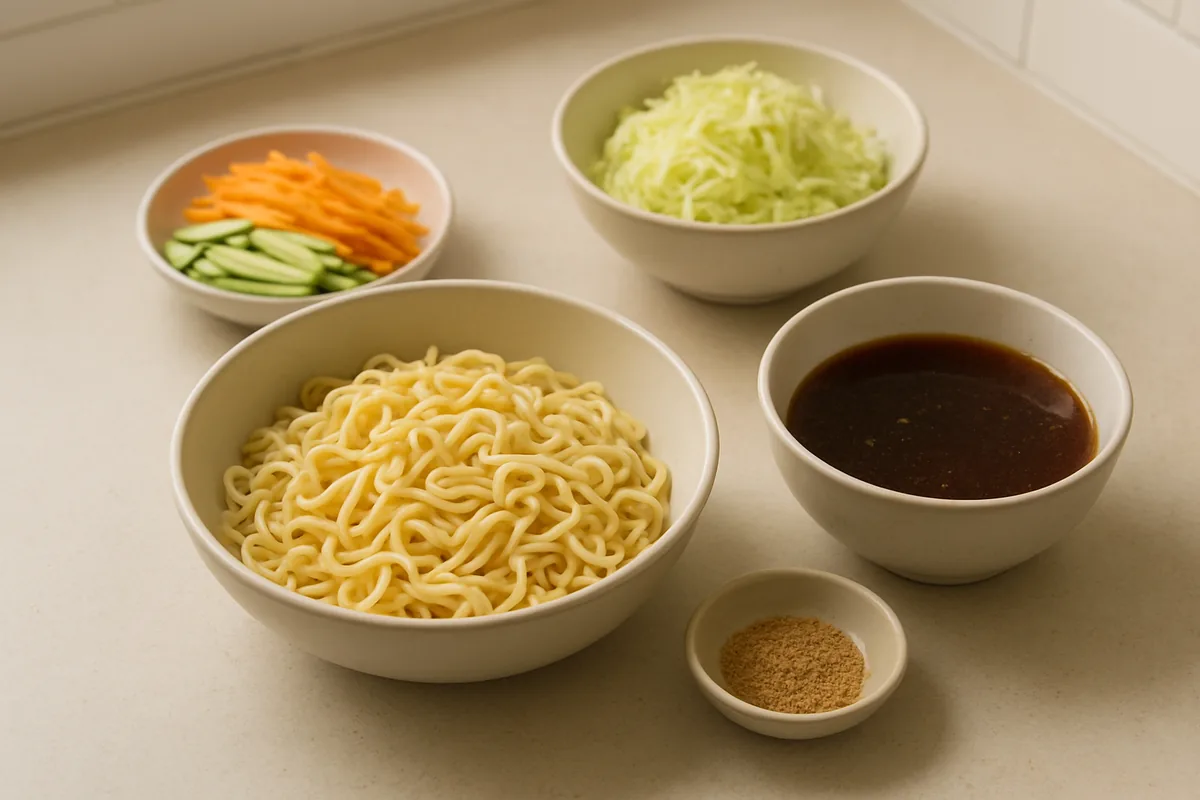
Ramen at home
Start by choosing a broth that suits the bowl: chicken or vegetable stock gives a lighter base, while a long-simmered pork broth is fuller. Warm about 350–450 ml per serving in a saucepan over medium heat; keep it at a gentle simmer rather than a hard boil. Stir in a measured seasoning such as soy sauce, miso, or a salt-based blend, then taste before adding more. A small amount at a time makes the final salt level easier to control.
While the broth heats, prepare any cooked toppings and set out serving bowls. Cook noodles in a separate pot of boiling water, following the package timing; fresh noodles often take only 1–3 minutes, while dried varieties can need longer. Check one noodle near the stated finish time: it should be tender through the center but still springy, without a chalky core. Drain promptly, since leaving noodles in cooking water makes them soft and swollen.
Divide the noodles between warm bowls, ladle over the seasoned broth, and add toppings just before serving. Keep delicate greens and crisp elements above the liquid so their texture lasts, and arrange heavier ingredients where they are easy to reach with chopsticks or a spoon. For the simplest adaptable bowl plan, use one broth, one seasoning, one portion of noodles, and two prepared toppings; change only the broth or topping pair to make a chicken ramen recipe, pork bowl, or vegetarian version.
Birria ramen
Birria is a Mexican meat preparation, commonly made with beef or goat and slowly cooked with dried chiles, spices, and aromatics until the meat is tender. Birria ramen is a fusion dish: it combines ramen noodles with birria-style meat and cooking liquid. The birria itself is not ramen, and this combination is a contemporary crossover rather than a traditional Japanese ramen style. Its appeal comes from the contrast between springy noodles and the deep, chile-fragrant consomme.
For a balanced bowl, treat the birria liquid as a flavorful base rather than assuming it can replace every ramen broth unchanged. Warm it gently and taste for salt, chile heat, and richness; if it feels heavy or intensely seasoned, begin by loosening it with a little unsalted stock or water, then adjust in small additions. Keep the meat warm in some of its liquid so it stays moist. Cook ramen noodles separately according to their package directions, then drain them well; this prevents excess starch from clouding or thickening the broth.
Place the noodles in bowls, add the loosened birria broth, and top with tender meat. A modest squeeze of lime can brighten the rich liquid, while chopped onion or cilantro adds a fresh contrast; offer extra chile separately for diners who want more heat. Serve promptly with a spoon for the broth and chopsticks or a fork for the noodles. Keeping the meat, noodles, and liquid distinct until assembly gives each part a clear texture and makes the bowl easier to adjust.
Eggs and Other Finishing Touches
A carefully prepared egg adds a distinct texture and a mild, savory note to a ramen bowl. Doneness, peeling, and the strength of its seasoning all shape how it sits alongside the soup. Other toppings contribute crunch, freshness, heat, or richness, so their moisture and portion size matter as much as flavor. Choose a few elements that complement the broth rather than crowding the surface.
Ramen eggs
For soft-boiled ramen eggs, aim for a white that holds its shape and a yolk that suits the bowl: loose and glossy for a rich, coating texture, or more set for a tidy cut and a milder finish. Cook by boiling or steaming, then cool the eggs promptly in ice water; cooling helps stop carryover cooking and makes the shell easier to remove.
Tap the shell all over, start peeling from the wider end where the air pocket sits, and work gently under a thin stream of water if bits of shell cling. A smooth white keeps the egg intact during seasoning and serving. Halved eggs release some yolk into the soup, while a whole egg keeps the center contained until it is bitten.
Season peeled eggs in a mixture based on soy sauce, with a little mirin or water to soften its saltiness. A stronger, longer soak gives the white a more pronounced savory edge; a lighter mixture leaves the egg’s own flavor clearer. Turn the eggs occasionally so the color and seasoning stay even. For a gentle bowl, choose a jammy center and restrained seasoning; for a fuller, more assertive soup, a firmer yolk and deeper soy flavor hold their own.
Topping choices
Build contrast with toppings that bring different textures and levels of moisture. Thinly sliced scallions add a crisp, fresh bite; bamboo shoots offer a firmer chew; and nori softens as it touches hot soup. Bean sprouts contribute crunch and water, while mushrooms bring a tender, earthy quality. Add wet vegetables sparingly, since excess liquid can dilute the surface flavors.
Rich toppings change the bowl’s weight. Chashu pork and a small dab of butter make a round, substantial finish, whereas corn adds sweetness and chili oil brings heat along with additional fat. A few slices of pork or a small spoonful of butter can be enough; several rich additions together may make each bite feel heavy. Fresh scallion or a crisp vegetable can offset that richness without masking it.
Match the combination to the soup: a robust pork broth can carry assertive meat or chili, while a lighter chicken broth often benefits from clean, crisp accents. A vegetarian bowl can gain substance from mushrooms and bamboo shoots, balanced by scallion or another fresh element. Choose one soft or rich topping, one contrasting texture, and a small aromatic finish. This restrained approach lets each addition remain recognizable and keeps the broth’s character in view.